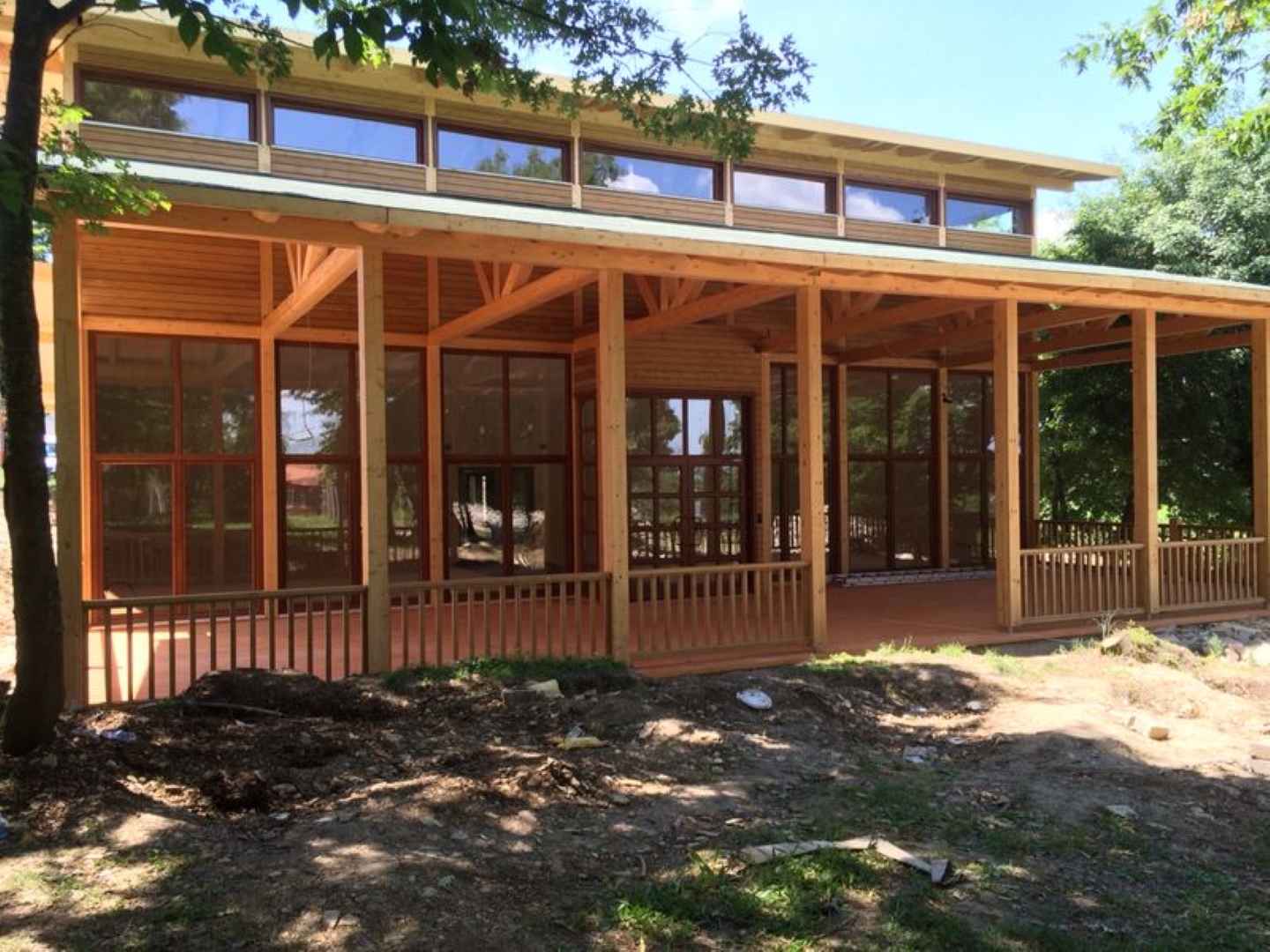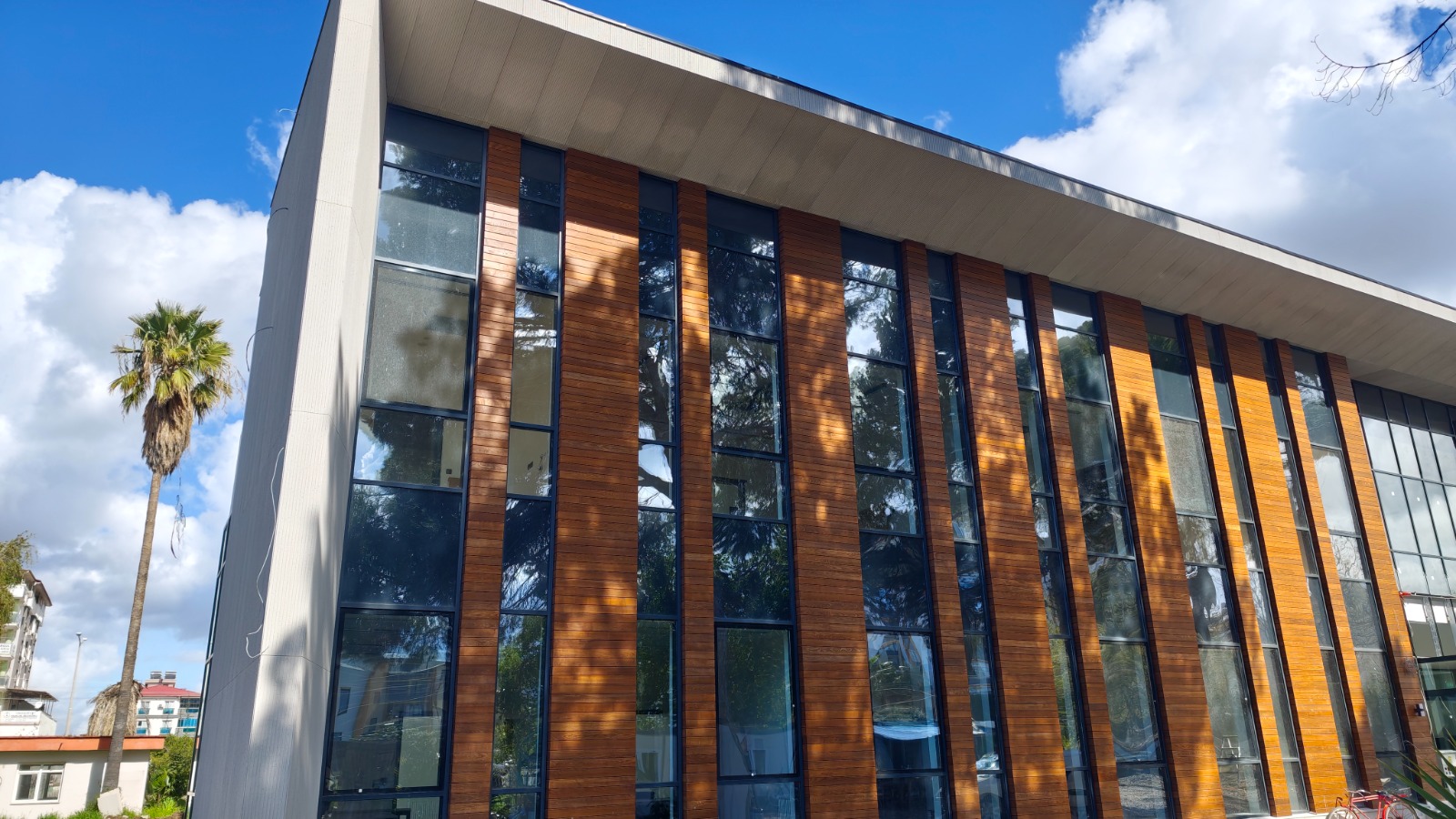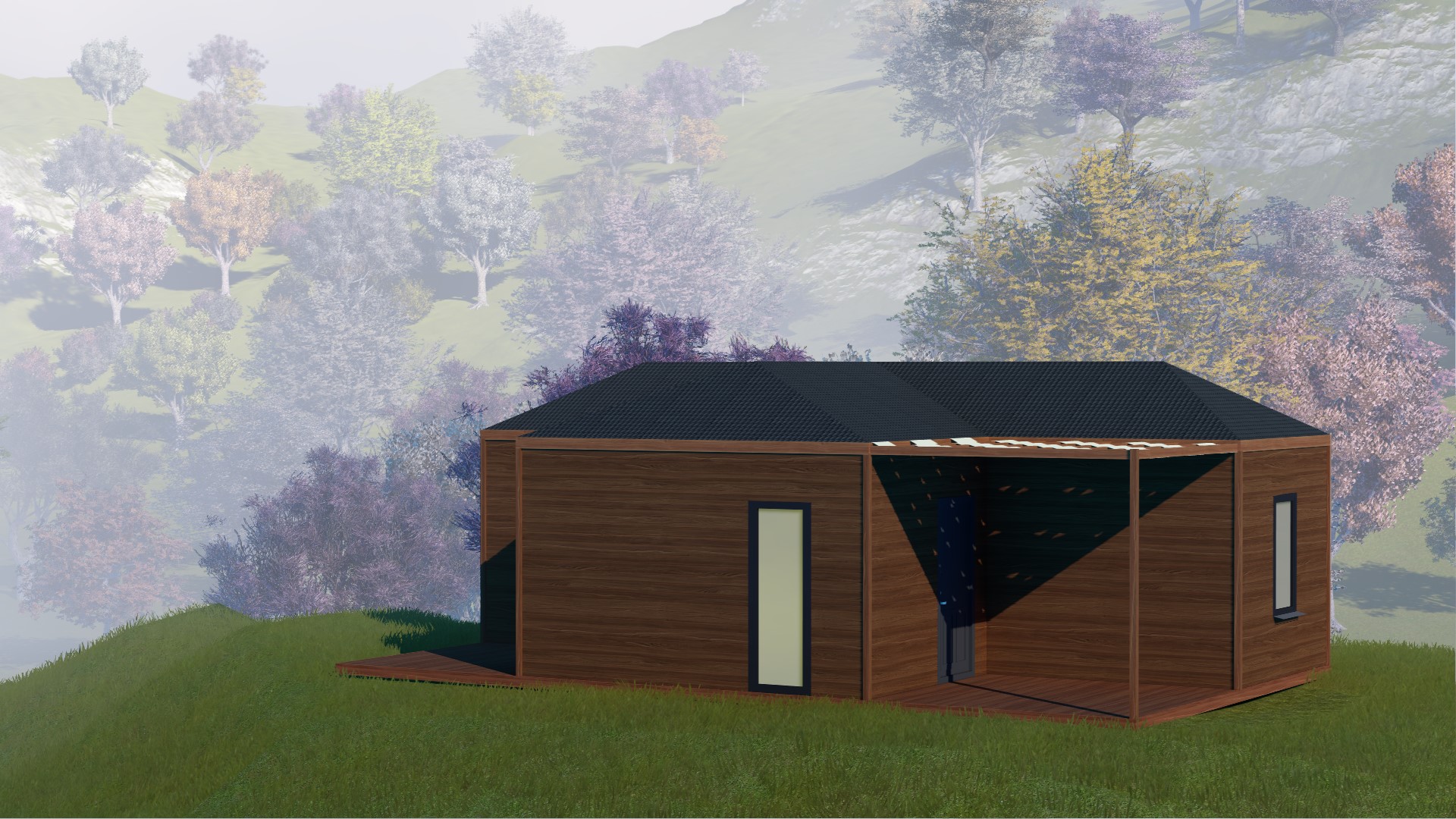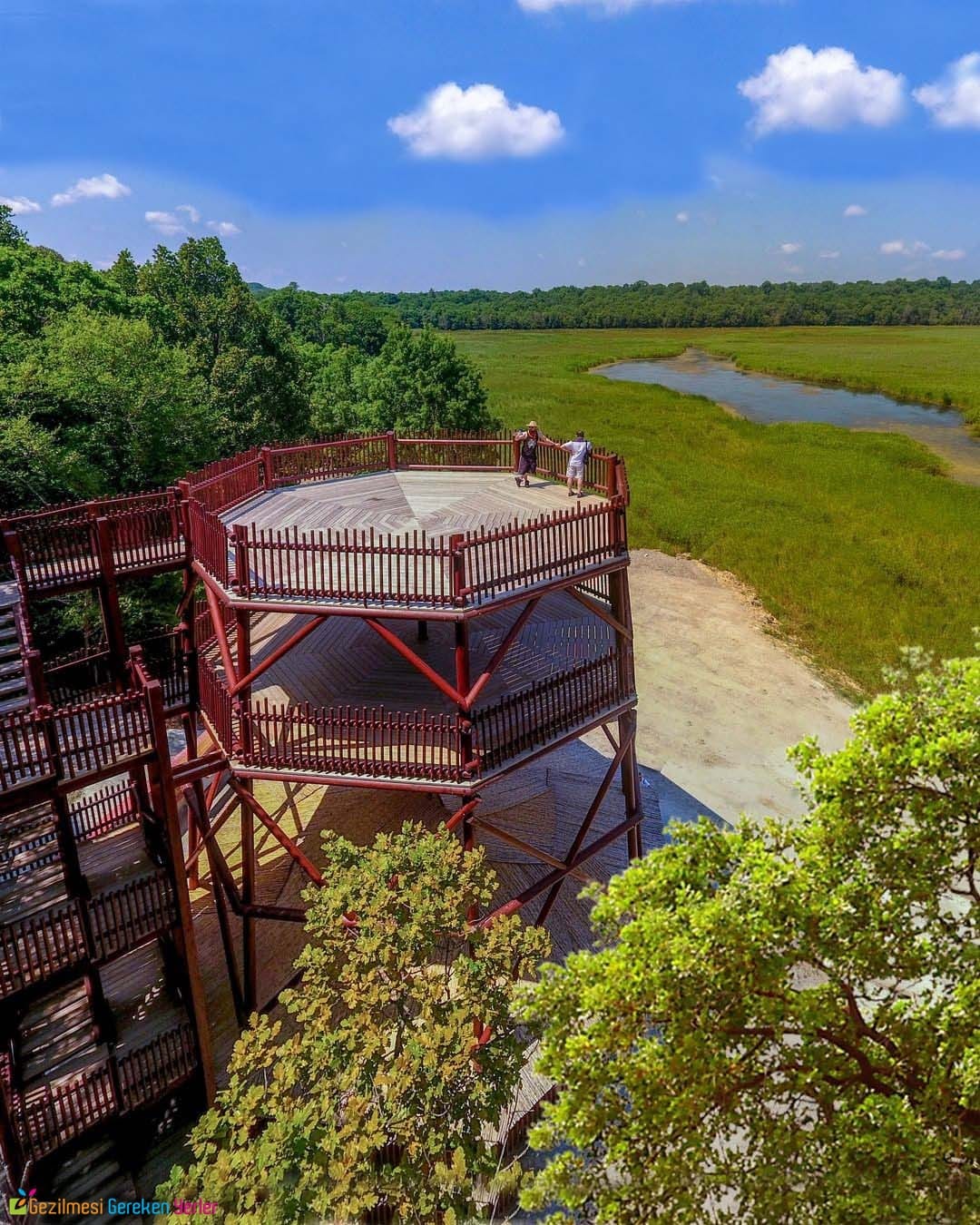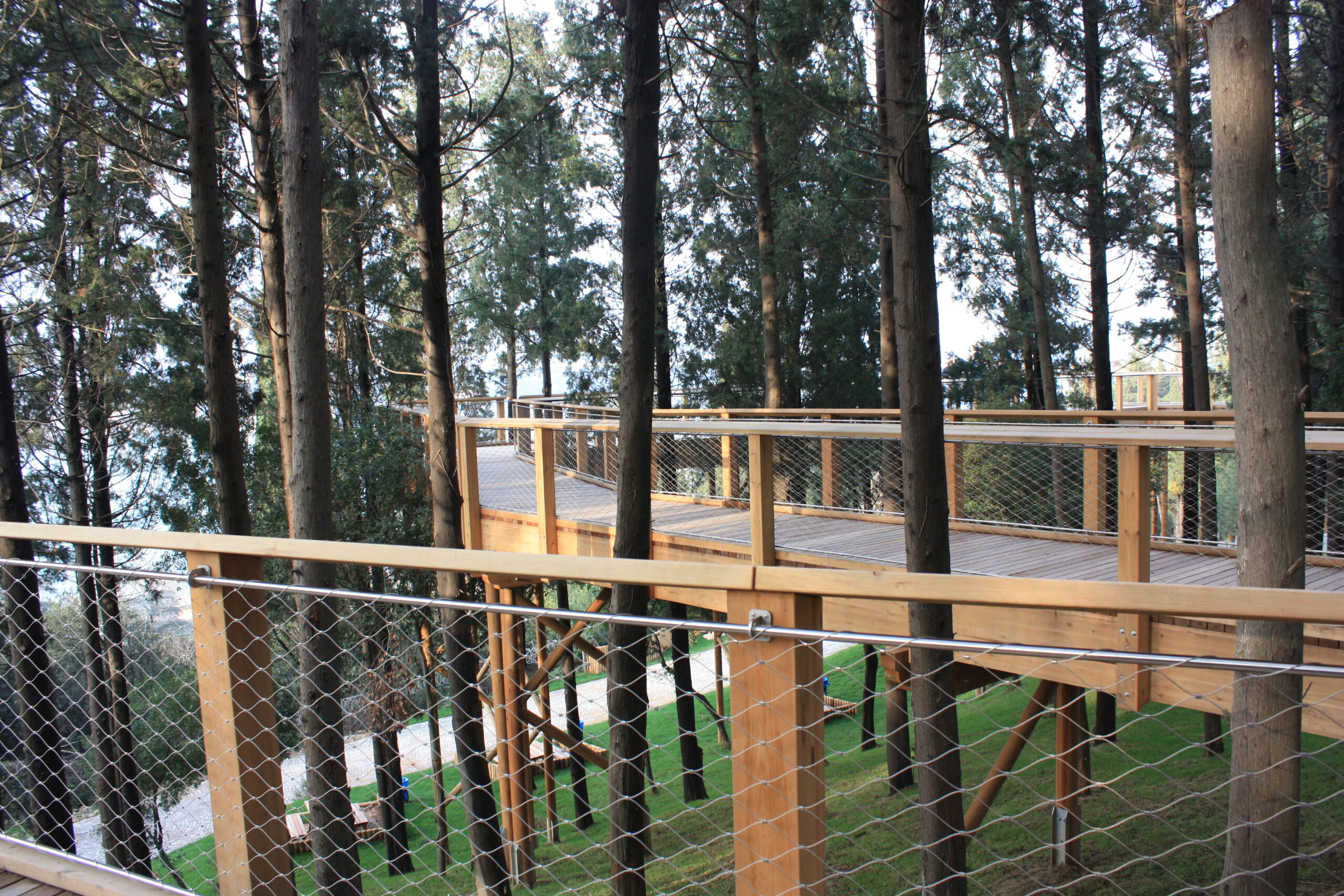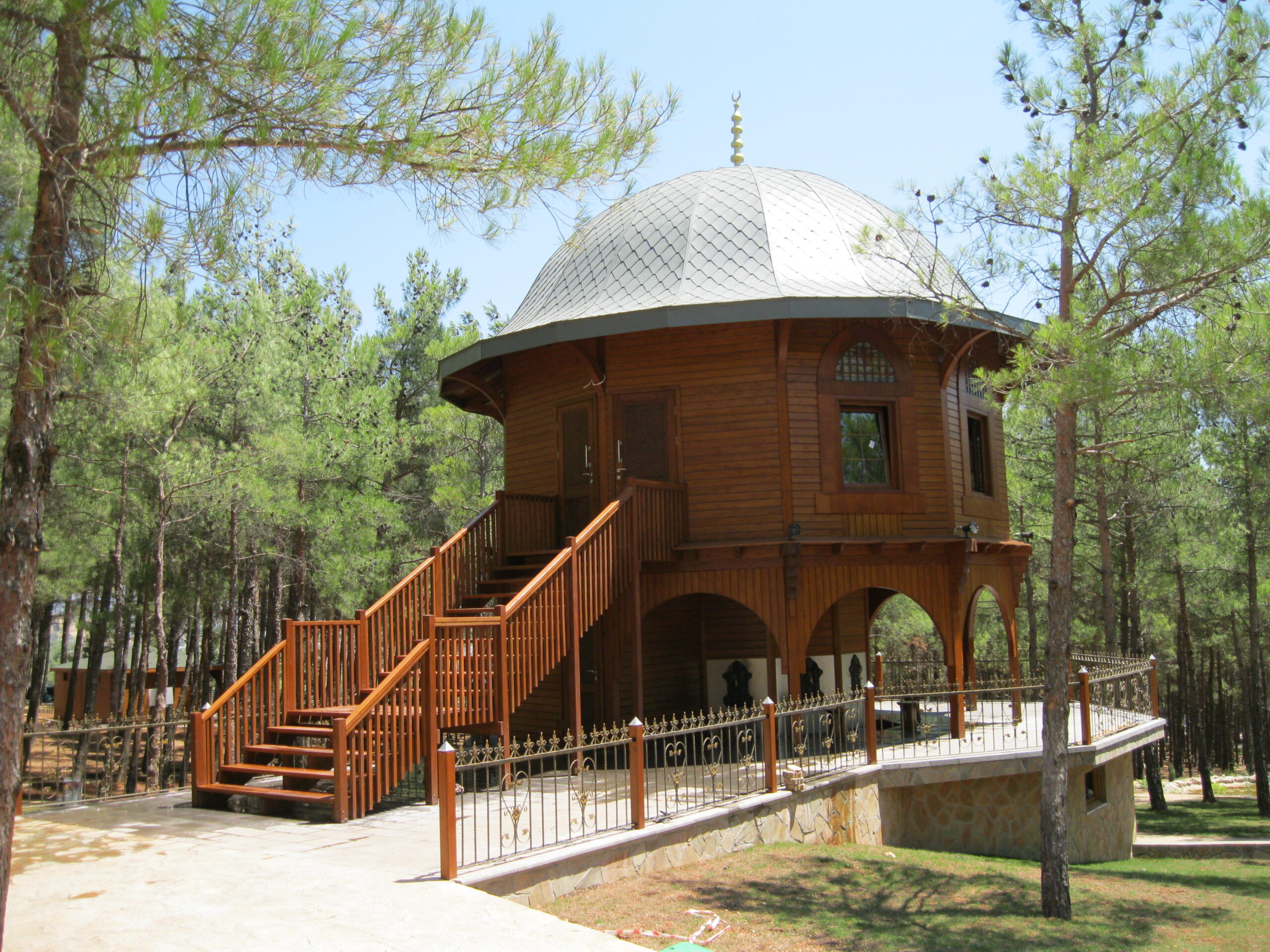
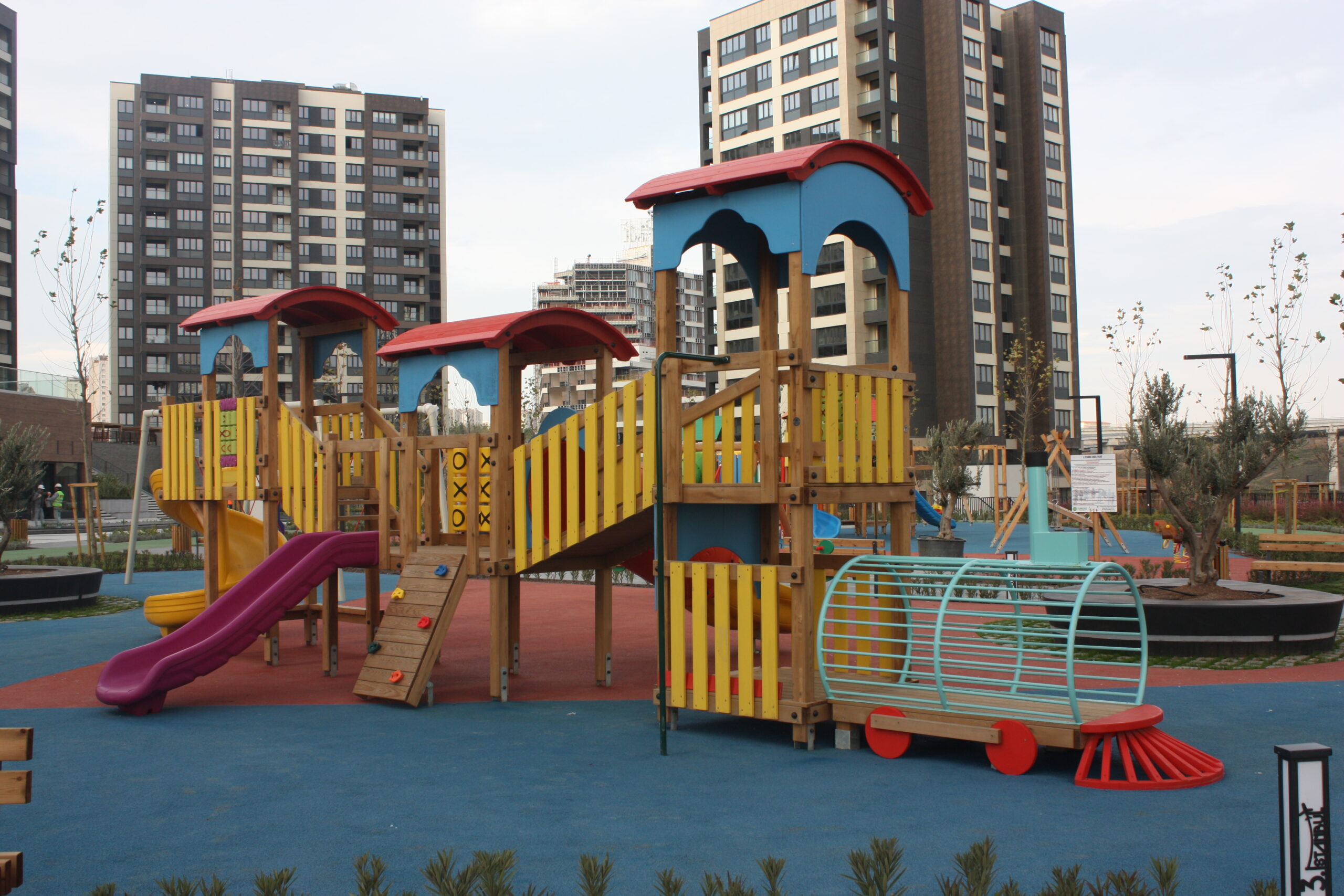
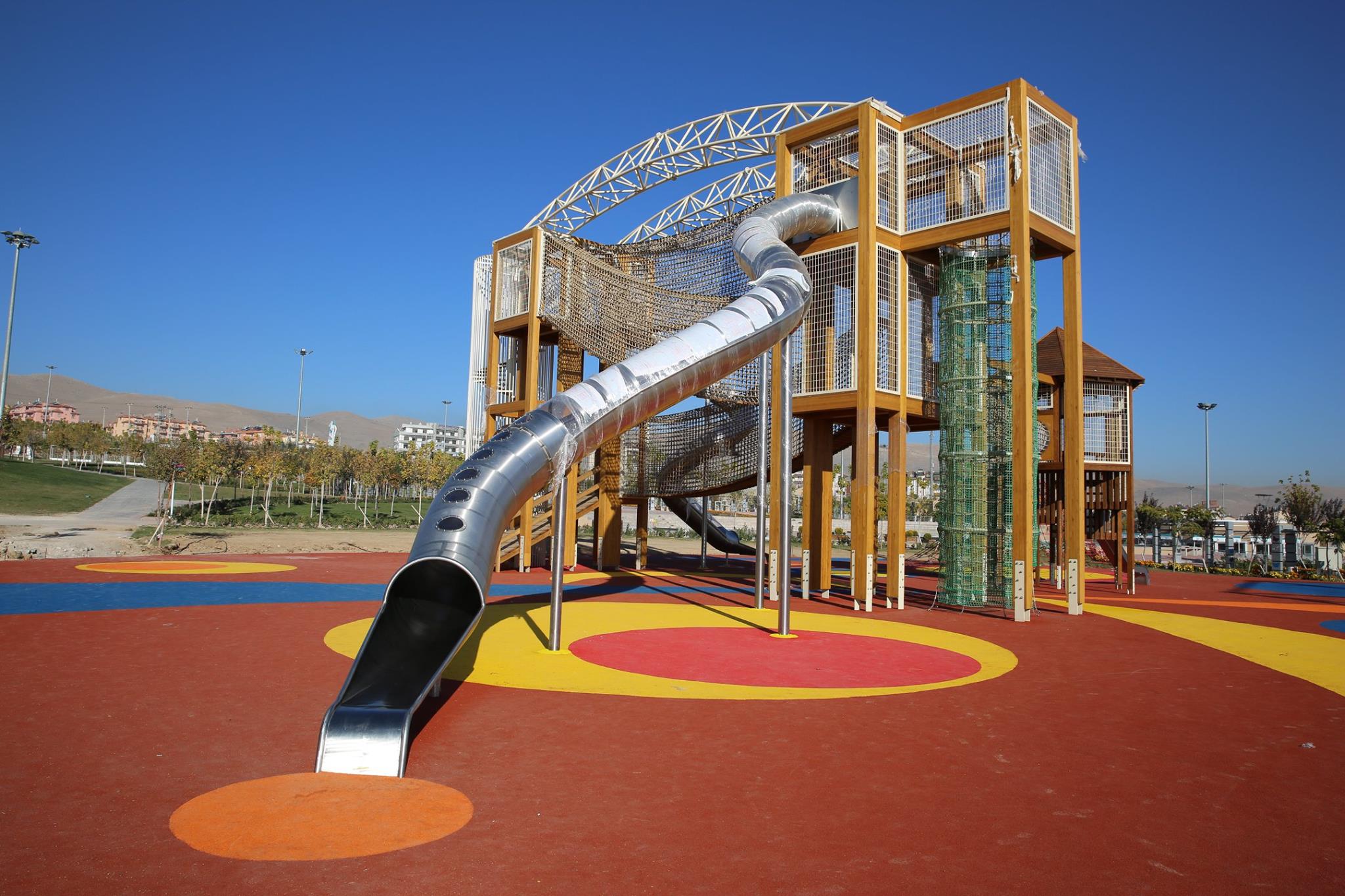

Structural timber refers to specially selected and engineered wood materials with high strength properties used in the load-bearing systems of buildings. Unlike traditional timber, structural timber products are designed for safe use in structural elements such as columns, beams, wall panels, roof elements, and load-bearing constructions. Thanks to modern timber construction technologies, structural timber systems are now preferred in wooden houses, villa projects, commercial buildings, and large-scale architectural projects. As a natural, durable, and environmentally friendly building material, timber offers long-lasting solutions with proper engineering and application.
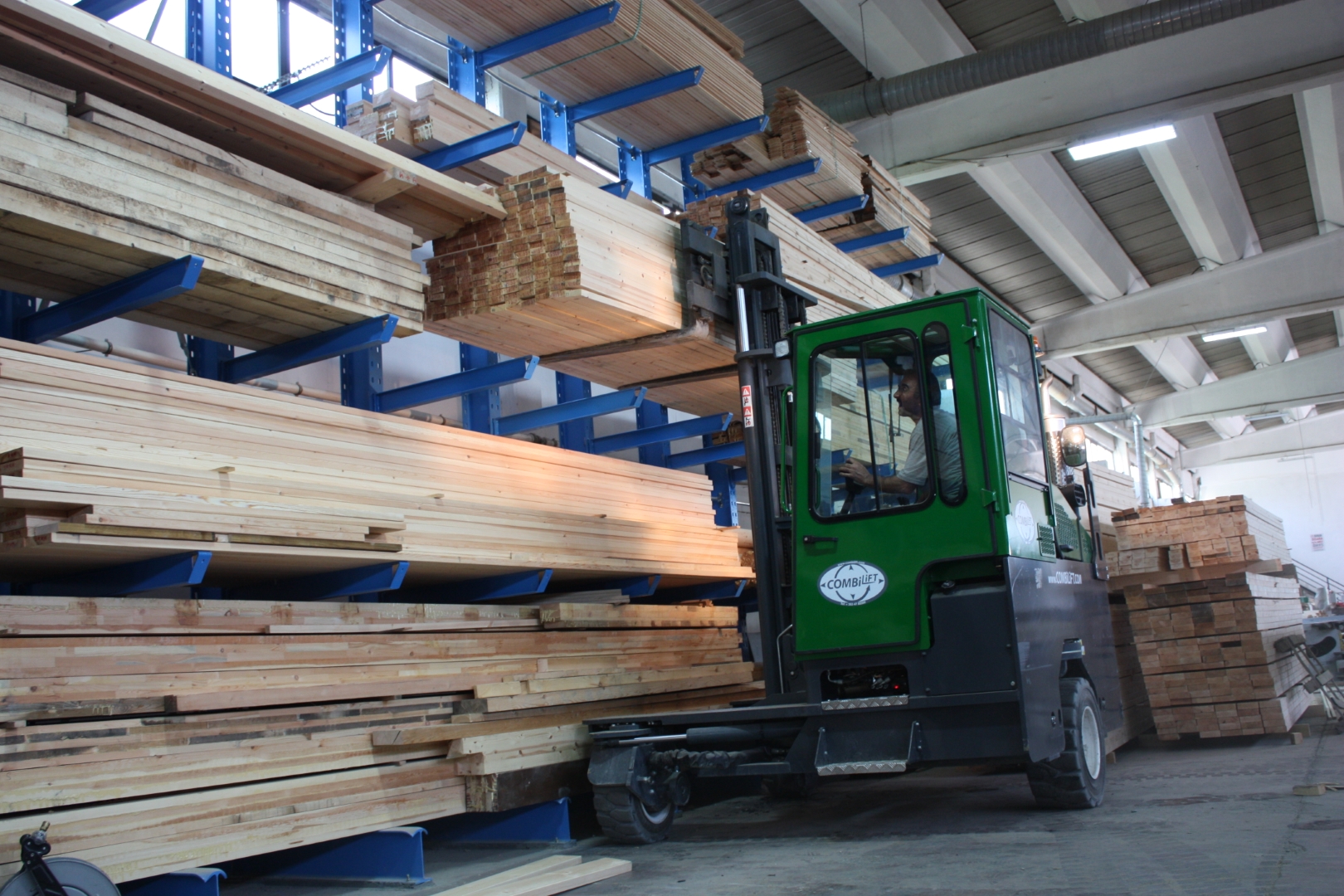
In structural timber production, high-quality and durable wood species are selected first. The selected wood undergoes drying, classification, and strength testing to make it suitable for building use.
The moisture content of the wood is controlled, its load-bearing capacity is determined, defective areas are removed, special treatments are applied to increase structural strength, and laminated wood and engineered wood technologies are used when necessary. The structural timber products obtained as a result of these processes can be used in safe and aesthetically pleasing timber construction projects.
With the right design, quality production, and professional application, structural timber is an extremely durable building material. Moisture control, correct detailing solutions, and appropriate surface treatments must be applied to protect the wood.
Thanks to modern timber engineering, structural timber systems are safely used in many projects, from residential to commercial buildings.
Today, there is increasing interest in energy-efficient, sustainable, and natural building solutions. Structural timber systems hold an important place in the modern construction sector with their aesthetic appearance, high performance, quick application, and environmentally friendly features.
High-quality structural timber solutions for wooden houses, wooden villas, wooden building systems, or custom architectural projects are one of the effective ways to create long-lasting, comfortable, and sustainable living spaces.
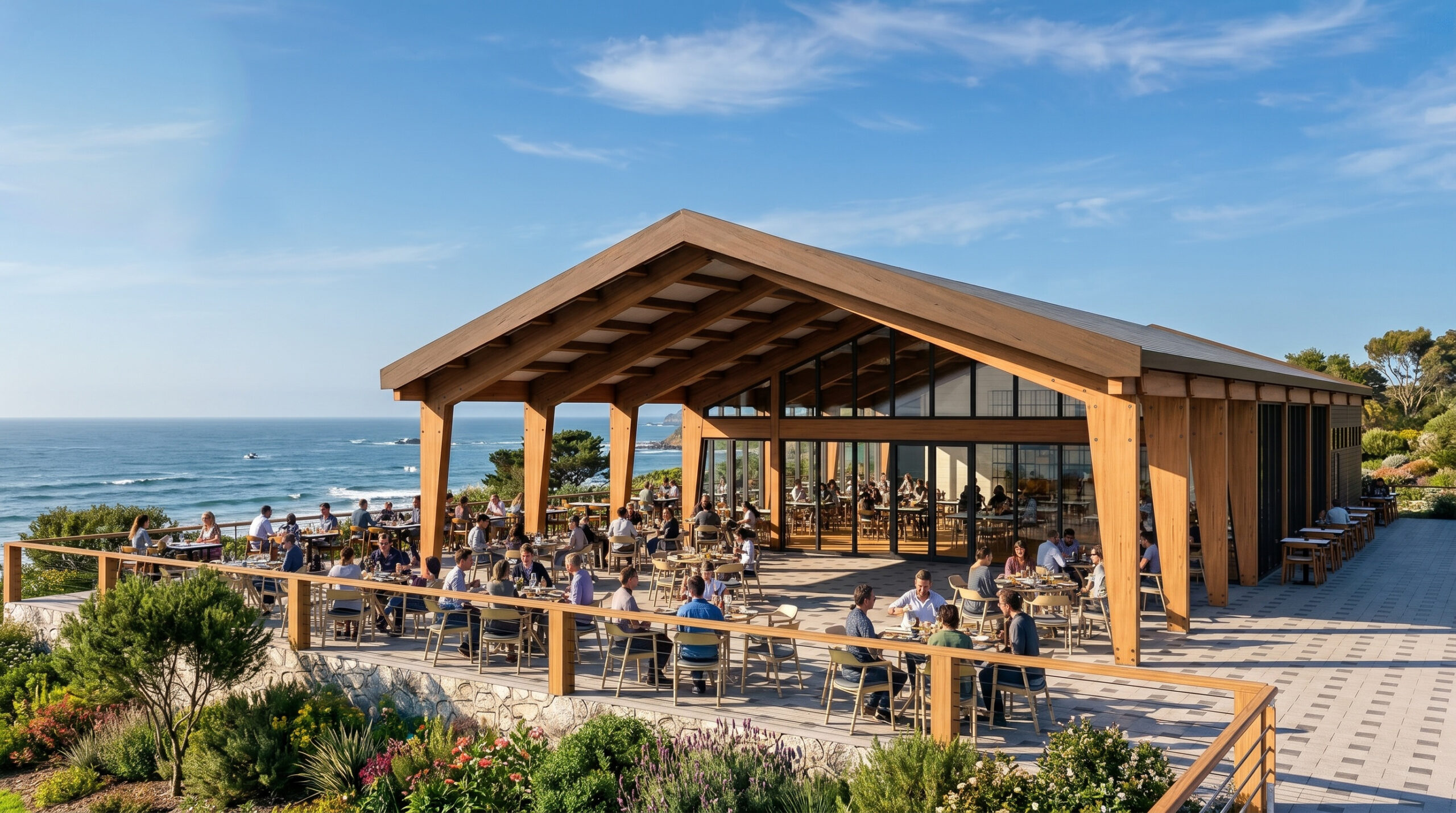
Offering high thermal insulation and low maintenance costs, wood is one of the strongest building blocks of modern architecture. Today, the use of wood is becoming widespread in many structures worldwide, especially in Europe and America, ranging from schools and shopping malls to exhibition areas, markets, and industrial facilities. With its renewable and sustainable nature, wooden structures provide environmentally friendly and profitable alternatives to the construction sector.
The benefits of wooden architecture on human health, well-being, and quality of life are scientifically supported. As a natural acoustic and moisture regulator, wood reduces stress levels, enabling the construction of breathable, healthy living spaces. Its moisture-absorbing structure, depending on ambient conditions, perfectly optimizes the indoor microclimate. According to research, coniferous and soft-textured pine species stand out as the tree species that manage the moisture cycle most successfully.
Stress Reduction
Studies conducted in Austria have shown that schoolchildren educated in wooden buildings experience less stress, engage in fewer conflicts, and concentrate much better. Wooden interiors create a pleasant acoustic environment; sounds can be described as “softer” compared to interiors designed with other materials. Furthermore, wood has a calming effect on blood pressure and pulse in indoor spaces.
At TURKUAZ, we will always be pleased to be your solution partner and provide services in projects where greenery and wood meet.
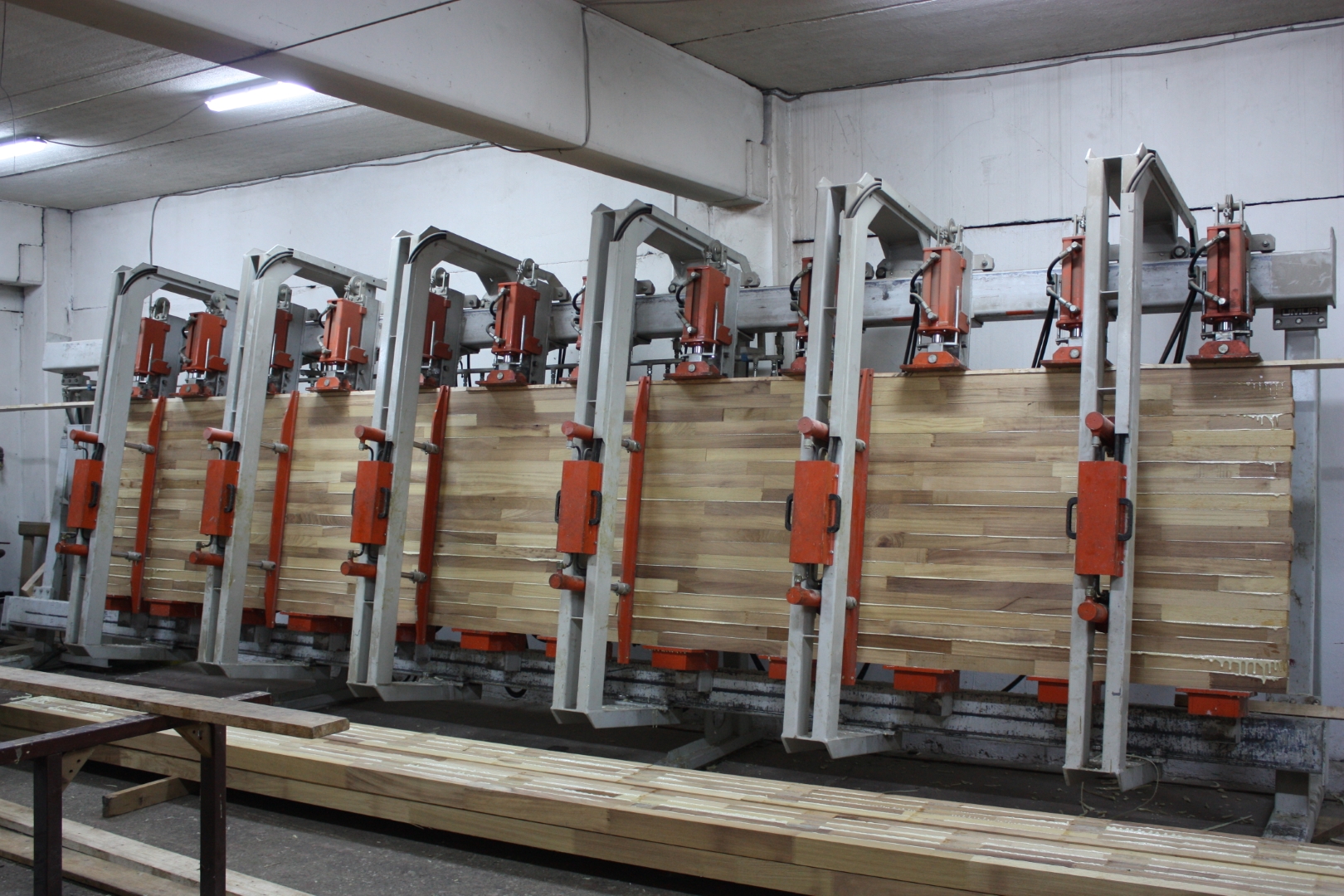
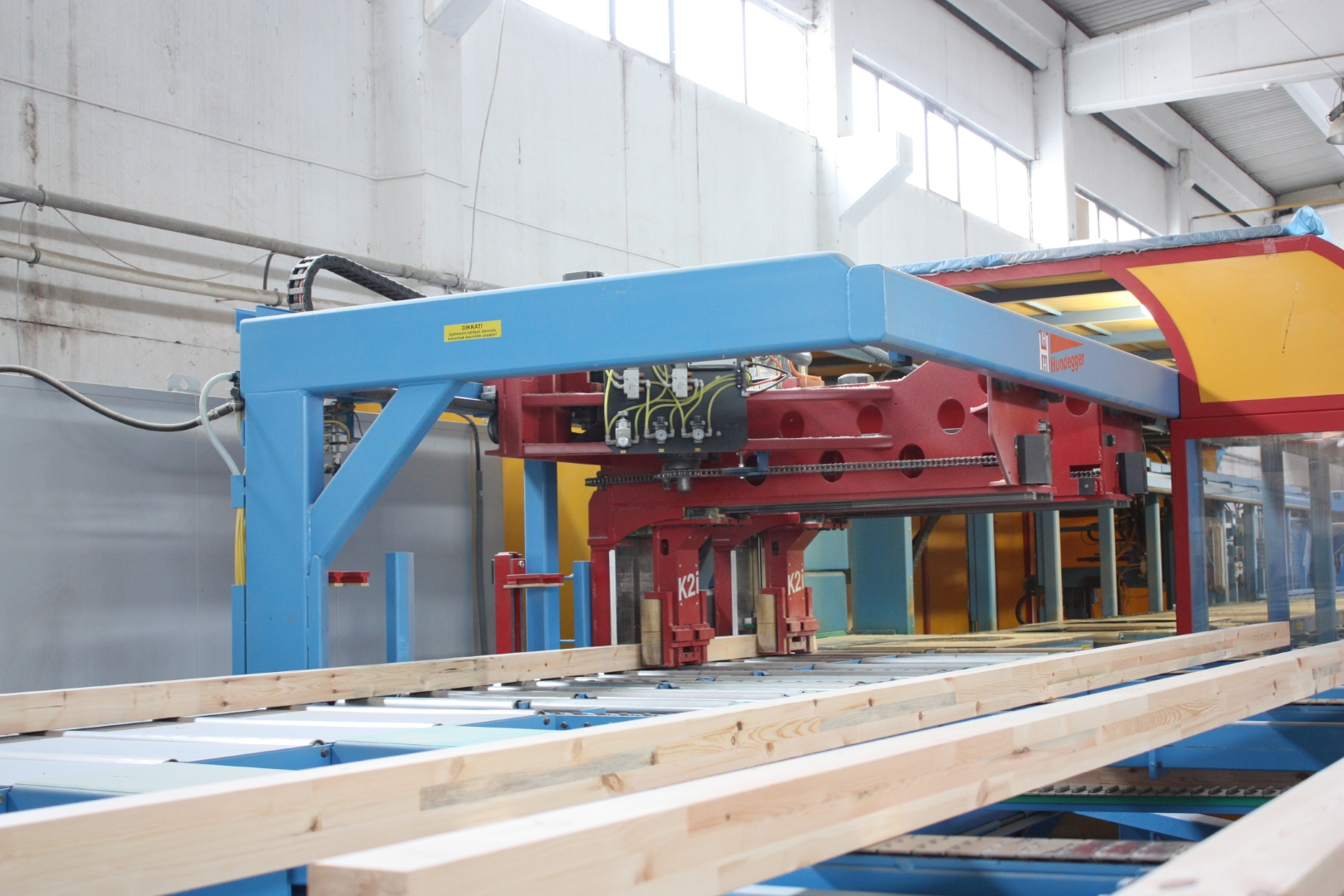
We use lamellas not exceeding 4 cm when laminating wood material. The lamination process is carried out under special conditions using polyurethane or melamine glue with special machines. We interlock the laminated wood pieces using a finger joint (toothed joint – minimum 17 mm) method with a machine.
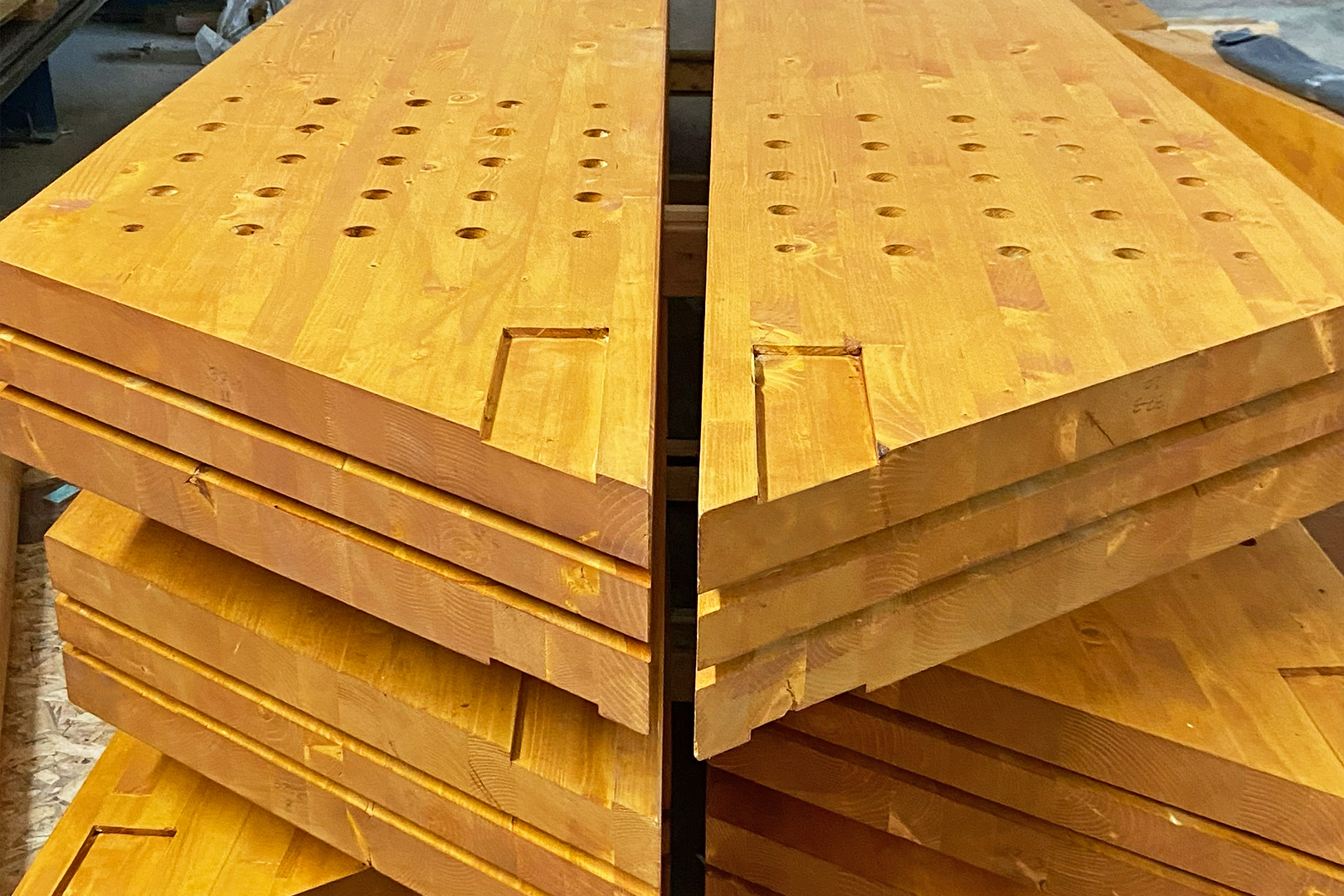
After processing, the wood material undergoes an impregnation process. This process… Impregnation is carried out in impregnation chambers using the vacuum-pressure method or, in laminated materials, by the flow-coating method. As a result of the impregnation process, the wood acquires a green, brown, or colorless (transparent) appearance depending on the type of impregnation applied.
Impregnation is generally a method applied to softwood species. The best coniferous wood species for impregnation is pine. Impregnation increases the wood’s resistance to fungi and insects.
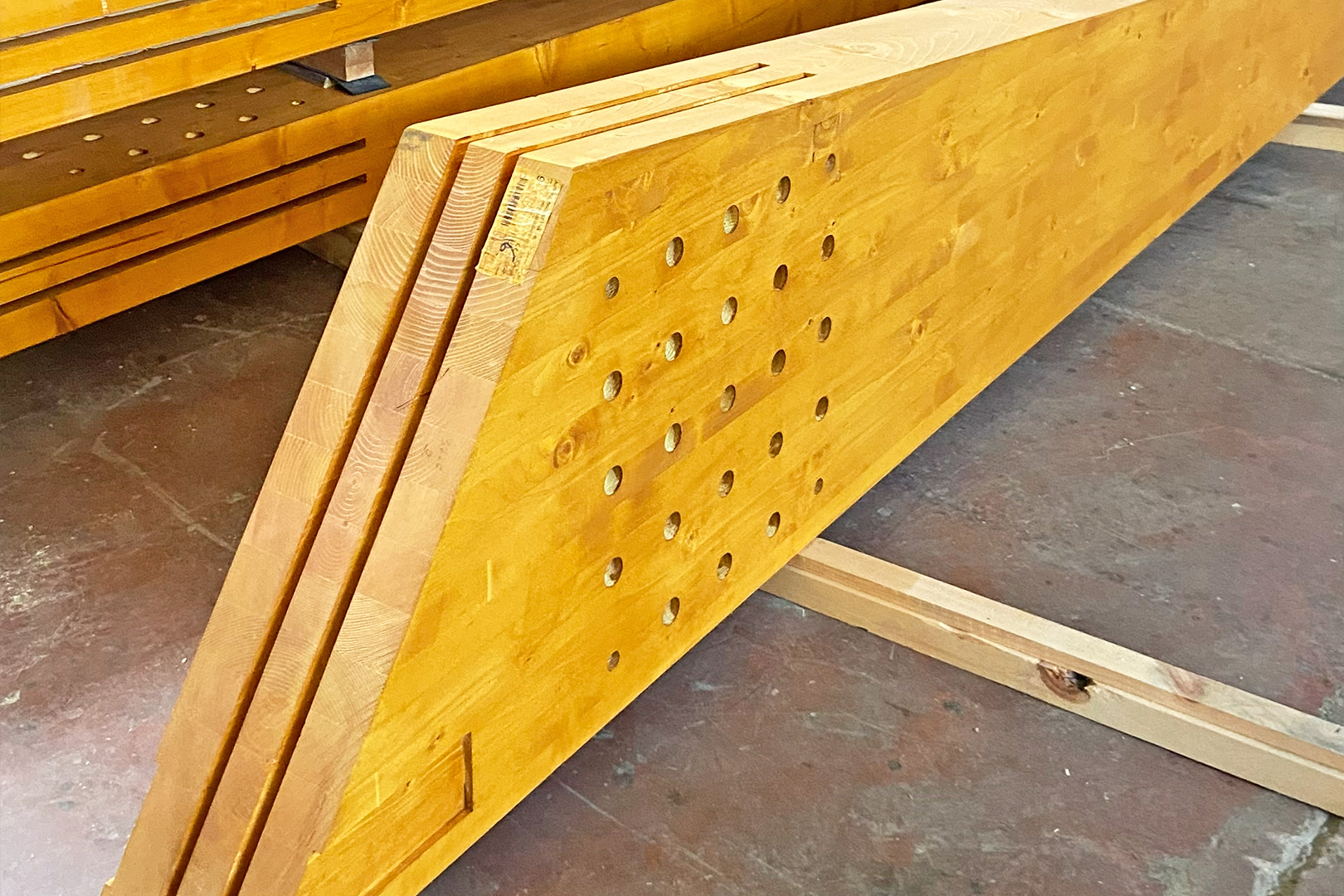
Our expert team designs projects with millimeter precision, and we process them using state-of-the-art CNC machines that also operate with millimeter precision. We proudly present the products that come out of our factory, where the latest technology is used at every stage, to our customers.
Get Offer